Healthy fats, simple swaps that keep flavour and lighten your week

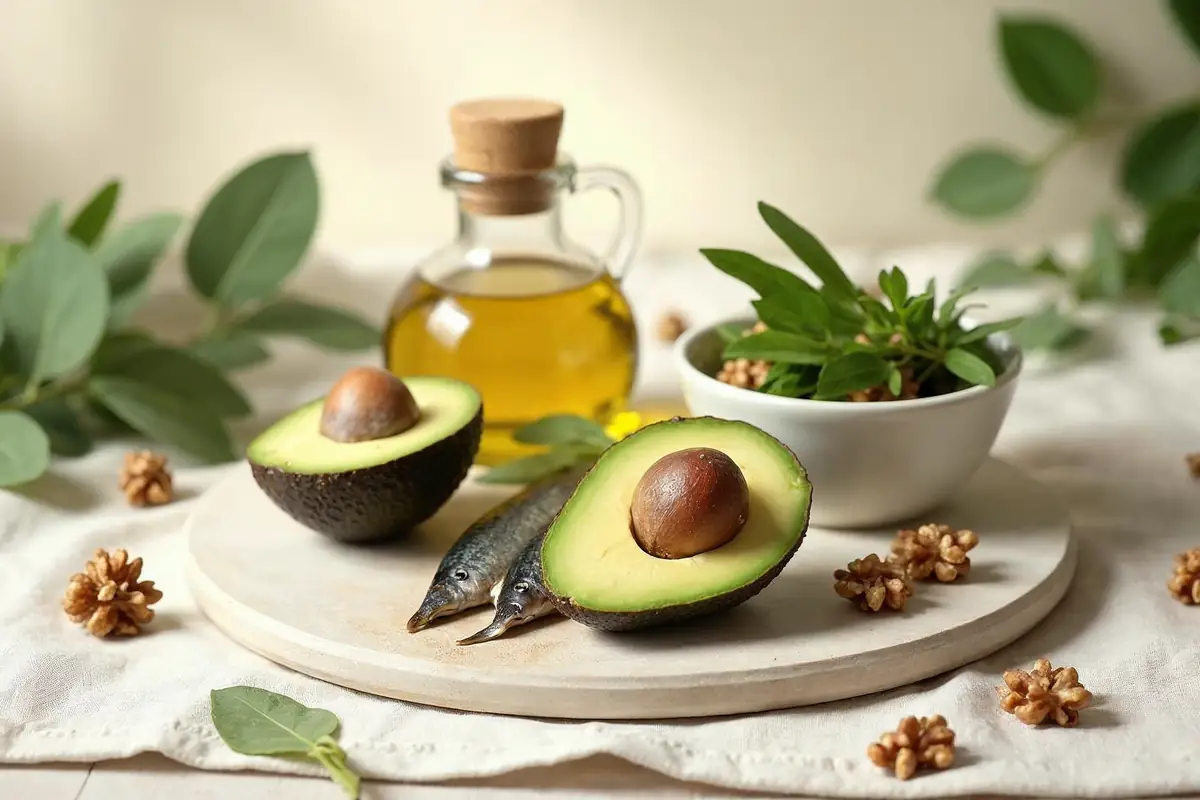
You can keep fat in your diet while you lose weight, as long as you choose the type and watch the amount. The quickest wins come from swaps, not bans. Butter becomes a spread made from vegetable oil, crisps become a few nuts, a fatty pie becomes oily fish.
A club coach goes through your situation with you and gives you practical advice.
Book your free assessmentIn this article
Swap rather than cut
Replacing saturated fats with unsaturated fats in the diet contributes to the maintenance of normal blood cholesterol levels. That is the heart of it. You are not removing fat, you are moving it from 1 column to the other. The government advisers at SACN reviewed the evidence in their report on saturated fats and health, and kept the advice to keep saturated fat low.
5 swaps for a normal week
- Frying pan. Butter or lard gives way to rapeseed or olive oil, measured with a teaspoon instead of poured.
- Sandwich. A thin layer of spread made from vegetable oil, or mashed avocado, instead of thick butter.
- Snack drawer. A small handful of unsalted nuts instead of a bag of crisps.
- Friday tea. Baked salmon or mackerel with potatoes and peas instead of battered fish and chips every week.
- Milk and cheese. Semi-skimmed milk and a strong cheese you can use less of.
Where the fat hides
Most saturated fat does not come from the bottle of oil. It comes from pastry, biscuits, cakes, processed meat and creamy sauces. Check the front-of-pack label. Red for saturates means more than 5g per 100g. Our guide to eating out and takeaways covers the same trap when someone else does the cooking.
The 9 kcal rule
Every gram of fat, good or not, carries about 9 kcal. A tablespoon of olive oil is around 120 kcal. That is why a healthy fat still needs a spoon. If weight loss is your goal, use oil to cook and dress food, not to drown it.
Oily fish and the Ribble
Oily fish such as salmon, mackerel, sardines and trout bring omega-3 fats. The NHS suggests at least 2 portions of fish a week, 1 of them oily. A tin of sardines on wholemeal toast after a Sunday walk along the Ribble is a cheap way to get there.
Cholesterol and your GP
If you have been told your cholesterol is high, the British Heart Foundation page on high cholesterol explains the food side well. This article does not replace advice from your GP or another health professional, who can look at your own results.
Fat and fullness
Fat slows the meal down and makes it more satisfying, which is another reason not to strip it out. Pair it with protein and fibre, as explained in our article on how to feel fuller for longer. Members of the club eat breakfast together on Saturdays too, from 7am to 12:30pm, which is a relaxed time to ask a coach about your swaps. The free assessment is open to anyone curious.
Your weight loss curve
Fill in your details and the curve updates instantly.
Going at the median rate, losing 8 kg would need roughly 11 weeks. Going at the slowest rate, roughly 4 months.
For weight that stays off, the figure usually quoted is 500 g to 1 kg each week. On the chart, this is the ideal band. Losing more than 1 kg a week, week after week, means the body burns muscle as well as fat. On the chart, this is the shaded band.
This projection is only a guide. Everyone’s path is different and outcomes differ between people. Everything is worked out on your own device, and nothing gets stored or transmitted. If you are over 65, check with your GP before anything else.
How this curve is calculated
The upper line of the band stands for 500 g each week, the slowest rate. The lower line stands for 1 kg each week, where risk begins.
Early weeks move quicker, largely through water loss, and then things settle down. From 40 onwards the median curve eases off bit by bit as metabolism winds down. Putting in equal effort, men tend to lose a touch faster than women.
As in real life, the curve includes short stalls lasting a few days and the odd small gain. It cannot forecast how your own path will go.
These tips are general guidance. A doctor’s opinion still comes first.
Further reading
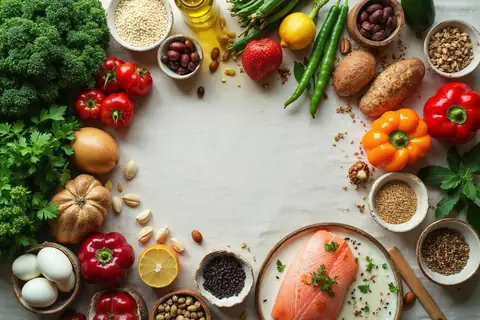

Day-to-day support is explained in our programme for eating more healthily.