Vitamins on your plate, a shopping basket guide for every day


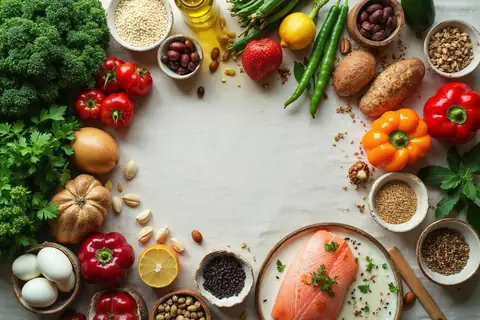
A varied diet gives most people all the vitamins they need, and the shopping basket is the best place to start. Colourful fruit and veg, wholegrains, dairy, eggs, fish and a little oil cover nearly every vitamin. Vitamin D is the main exception in the UK, because our winter sun is too weak.
A club coach goes through your situation with you and gives you practical advice.
Book your free assessmentIn this article
2 families of vitamins
Fat soluble vitamins, A, D, E and K, are stored in the body. You do not need them every day, and too much can build up. Water soluble vitamins, C and the B group, are not stored for long, so you need a regular supply. That is why a little fruit and veg at every meal beats a big salad on Sunday.
A walk round the market
A stroll through Preston covered market is a good way to picture it.
- Fruit and veg stall. Peppers, oranges, kiwis, broccoli and strawberries bring vitamin C, which contributes to the normal function of the immune system. Carrots, sweet potato and spinach bring beta carotene, which the body turns into vitamin A.
- Baker. Wholemeal bread and fortified cereals bring several B vitamins, which help release energy from food.
- Dairy counter. Milk, yoghurt and cheese bring vitamin B2 and B12.
- Fishmonger and butcher. Oily fish brings vitamin D, while meat, fish and eggs bring vitamin B12.
- Nuts and seeds. Almonds, sunflower seeds and plant oils bring vitamin E.
- Green leaves. Kale, spinach and broccoli bring vitamin K.
Vitamin D and the Lancashire winter
From late March to the end of September, most people make enough vitamin D from sunlight on their skin. From October to March, the sun is too low. The NHS therefore advises adults to consider a daily 10 microgram vitamin D supplement in autumn and winter. The full evidence sits in the SACN report on vitamin D and health. If you start and finish shifts in the dark, you get even less daylight, so this matters for you.
B12 if you eat little meat
Vitamin B12 is found almost only in foods of animal origin. If you are vegan or eat very little meat, dairy or fish, look for fortified foods such as some plant drinks and breakfast cereals. The NHS page on B vitamins and folic acid sets out the sources.
Cooking that saves vitamins
Vitamin C and some B vitamins leak into cooking water and fade with heat. Steam or microwave vegetables, cook them for less time, and use the water in a soup or gravy. Frozen veg is picked and frozen quickly, so it keeps its vitamins well and is a good standby.
More is not better
High doses of some vitamins can do harm. The NHS page on vitamin A explains that too much over many years may affect your bones, and pregnant women should avoid liver and high dose vitamin A. This article does not replace advice from your GP or another health professional, especially before taking anything during pregnancy or alongside medicines.
Vitamins while you eat less
When you reduce portions to lose weight, it is the quality of each plate that protects your vitamin intake. Our article on first steps to eating well shows where to begin, and our guide to minerals covers the rest of the picture. At the club, coaches trained in nutrition follow members every day and help them build colourful breakfasts. A free assessment is the simplest way to start.
Your weight loss curve
Fill in your details and the curve updates instantly.
Going at the median rate, losing 8 kg would need roughly 11 weeks. Going at the slowest rate, roughly 4 months.
For weight that stays off, the figure usually quoted is 500 g to 1 kg each week. On the chart, this is the ideal band. Losing more than 1 kg a week, week after week, means the body burns muscle as well as fat. On the chart, this is the shaded band.
This projection is only a guide. Everyone’s path is different and outcomes differ between people. Everything is worked out on your own device, and nothing gets stored or transmitted. If you are over 65, check with your GP before anything else.
How this curve is calculated
The upper line of the band stands for 500 g each week, the slowest rate. The lower line stands for 1 kg each week, where risk begins.
Early weeks move quicker, largely through water loss, and then things settle down. From 40 onwards the median curve eases off bit by bit as metabolism winds down. Putting in equal effort, men tend to lose a touch faster than women.
As in real life, the curve includes short stalls lasting a few days and the odd small gain. It cannot forecast how your own path will go.
These tips are general guidance. A doctor’s opinion still comes first.
Further reading

Day-to-day support is explained in our programme for eating more healthily.