Feeling fuller for longer, how to get through the day without nibbling

The surest way to feel fuller for longer is to give each meal protein, fibre and plenty of vegetables, and to eat at regular times. Hunger is not a lack of willpower. It is mostly a signal that the last meal was too small, too quick or too long ago.
A club coach goes through your situation with you and gives you practical advice.
Book your free assessmentIn this article
The 3 builders of a filling meal
- Protein. Eggs, Greek yoghurt, fish, chicken, beans and lentils make a meal last longer for most people.
- Fibre. Oats, wholegrain bread, pulses and veg slow the meal down and add bulk.
- Volume. Soups, salads and vegetables fill the plate for few calories.
The NHS list of 8 tips for healthy eating makes the same points, starting with higher fibre starchy foods. See also our guides to protein needs and high-fibre foods.
A day on the road, hour by hour
6:30am, before the commute. Skipping breakfast often leads to a biscuit raid by 10am. Something with protein, such as eggs on wholemeal toast or porridge with yoghurt, changes the whole morning.
11am, the dip. Drink a glass of water or a cup of tea first. Thirst and boredom can feel a lot like hunger. If you are still hungry 15 minutes later, have a piece of fruit with a few nuts.
1pm, lunch. A bowl of soup before a sandwich, or a big salad with tuna and beans, keeps you going through the afternoon.
4pm, the danger zone. Plan a snack rather than leaving it to the vending machine. Our list of snack ideas has options under 150 kcal.
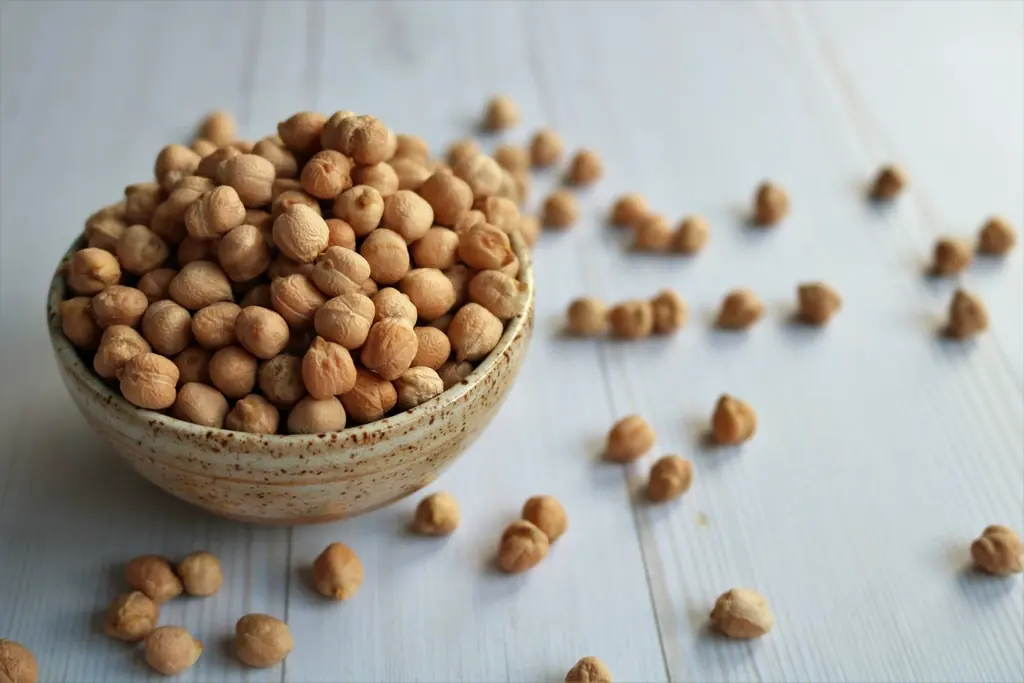
7pm, tea. Plenty of vegetables, a palm of protein, a fist of potatoes or rice. A bowl of black peas or a lentil soup on a cold Lancashire evening also does the job, warm and filling for very few calories.
Slow down at the table
Fullness takes time to reach the brain. Eating at the desk or in front of a screen makes it easy to finish the plate without noticing. Put your fork down between mouthfuls, sit at a table, and give the meal 15 to 20 minutes.
Sleep, stress and the fridge
Short nights tend to push appetite up the next day, especially for sweet and fatty foods. The NHS pages on sleep and tiredness offer practical help. A walk in Cuerden Valley Park after work can also ease a stressful day better than the biscuit tin.
When hunger is not normal
Constant hunger, thirst and weight loss without trying can be signs of a health problem. This article does not replace advice from your GP or another health professional, so see them if your appetite changes a lot.
Regular meals in company
Eating at the same times each day trains your appetite. Members of our club have breakfast together before work every morning, Monday to Friday from 6am, and many find their mid-morning hunger settles. A free assessment will help you find your own rhythm.
Your weight loss curve
Fill in your details and the curve updates instantly.
Going at the median rate, losing 8 kg would need roughly 11 weeks. Going at the slowest rate, roughly 4 months.
For weight that stays off, the figure usually quoted is 500 g to 1 kg each week. On the chart, this is the ideal band. Losing more than 1 kg a week, week after week, means the body burns muscle as well as fat. On the chart, this is the shaded band.
This projection is only a guide. Everyone’s path is different and outcomes differ between people. Everything is worked out on your own device, and nothing gets stored or transmitted. If you are over 65, check with your GP before anything else.
How this curve is calculated
The upper line of the band stands for 500 g each week, the slowest rate. The lower line stands for 1 kg each week, where risk begins.
Early weeks move quicker, largely through water loss, and then things settle down. From 40 onwards the median curve eases off bit by bit as metabolism winds down. Putting in equal effort, men tend to lose a touch faster than women.
As in real life, the curve includes short stalls lasting a few days and the odd small gain. It cannot forecast how your own path will go.
These tips are general guidance. A doctor’s opinion still comes first.
Further reading


Day-to-day support is explained in our programme for eating more healthily.