Minerals in everyday food, from iron and calcium to iodine and salt

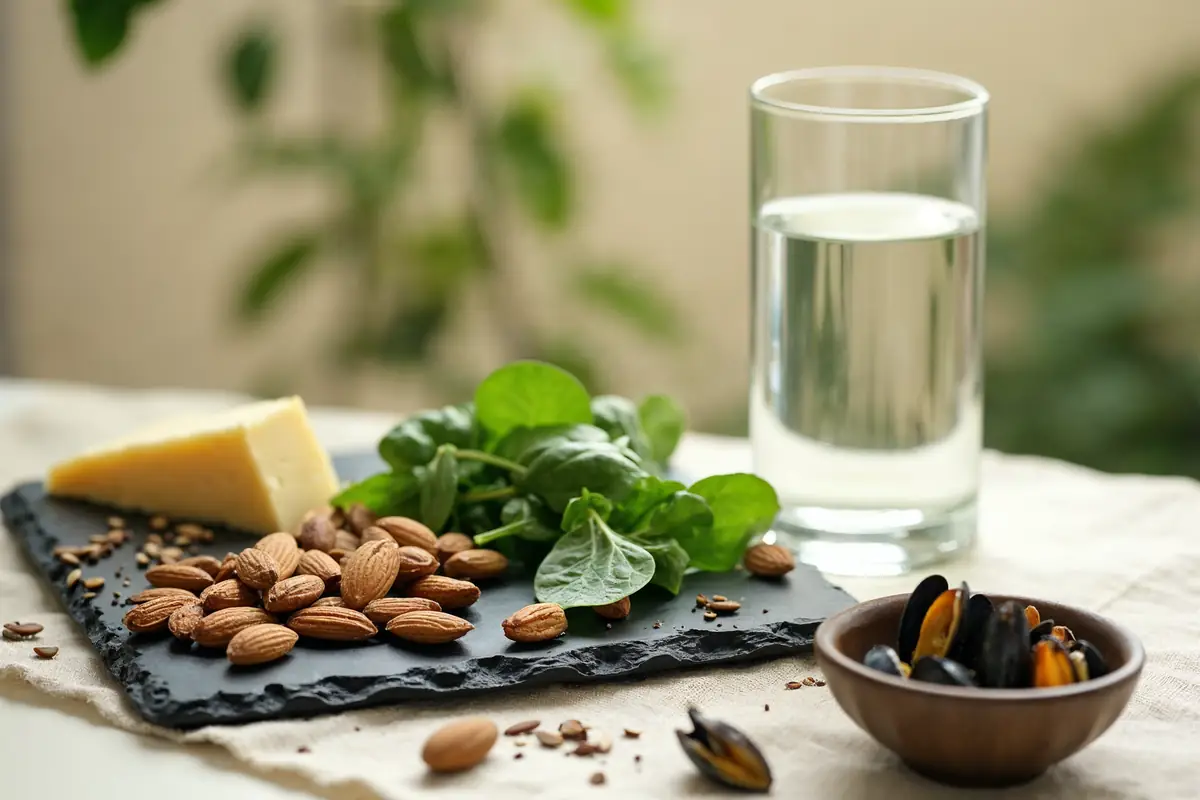
A varied diet covers most of the minerals your body needs, and salt is the 1 most UK adults overdo. Iron, calcium, iodine, magnesium, zinc and potassium all come from ordinary food. You rarely need to think about them 1 by 1, but a few deserve a closer look.
A club coach goes through your situation with you and gives you practical advice.
Book your free assessmentIn this article
4 minerals worth knowing
Calcium is needed for the maintenance of normal bones and teeth. Adults need 700mg a day, according to the British Dietetic Association fact sheet on calcium. Milk, yoghurt and cheese are the main sources, followed by fortified plant drinks, tinned fish with soft bones, tofu set with calcium and white bread, which is fortified in the UK.
Iodine contributes to normal cognitive function and to the normal production of thyroid hormones. Adults need 140 micrograms a day, mostly from milk, yoghurt, white fish and eggs. If you switch to plant drinks, check that yours is fortified with iodine. The NHS page on iodine gives the details.
Magnesium contributes to the reduction of tiredness and fatigue. Green leafy veg, nuts, wholemeal bread and brown rice are good sources.
Iron contributes to normal oxygen transport in the body. Women aged 19 to 50 need more than men, because of periods. Red meat, beans, lentils, dried fruit and fortified cereals all bring some.
Iron from plants, a vitamin C trick
Iron from plants is absorbed less well than iron from meat. Vitamin C increases iron absorption, so pair beans or lentils with peppers, tomatoes or a glass of orange juice. Tea and coffee do the opposite, so keep them away from meals rich in iron. The BDA page on iron rich foods has a useful list.
Salt, the mineral to cut
Adults should eat no more than 6g of salt a day, about a level teaspoon. Around 3 quarters of the salt we eat is already in bread, cereals, ready meals, sauces and processed meat. Taste before you add salt, and use pepper, herbs, lemon and spices instead. The SACN report on salt and health explains the 6g target.
A mineral rich day
- Breakfast. Porridge made with milk, topped with chopped dried apricots.
- Lunch. Wholemeal sandwich with tinned sardines and salad.
- Tea. Lentil and vegetable curry with brown rice and a spinach side.
- Snack. A yoghurt and a small handful of almonds.
Too much from pills
Taking high doses of 1 mineral can upset the balance of others, and some interact with medicines. This article does not replace advice from your GP or another health professional, especially if you feel tired all the time, which can have many causes.
Minerals while losing weight
Eating less can mean fewer minerals if the plate gets smaller but not better. Our article on macronutrients shows how to keep balance, and our guide to vitamins completes it. Members of our club start their weekday from 6am with breakfast together, guided each day by coaches trained in nutrition. Your free assessment is waiting for you.
Your weight loss curve
Fill in your details and the curve updates instantly.
Going at the median rate, losing 8 kg would need roughly 11 weeks. Going at the slowest rate, roughly 4 months.
For weight that stays off, the figure usually quoted is 500 g to 1 kg each week. On the chart, this is the ideal band. Losing more than 1 kg a week, week after week, means the body burns muscle as well as fat. On the chart, this is the shaded band.
This projection is only a guide. Everyone’s path is different and outcomes differ between people. Everything is worked out on your own device, and nothing gets stored or transmitted. If you are over 65, check with your GP before anything else.
How this curve is calculated
The upper line of the band stands for 500 g each week, the slowest rate. The lower line stands for 1 kg each week, where risk begins.
Early weeks move quicker, largely through water loss, and then things settle down. From 40 onwards the median curve eases off bit by bit as metabolism winds down. Putting in equal effort, men tend to lose a touch faster than women.
As in real life, the curve includes short stalls lasting a few days and the odd small gain. It cannot forecast how your own path will go.
These tips are general guidance. A doctor’s opinion still comes first.
Further reading

Day-to-day support is explained in our programme for eating more healthily.