The spot reduction myth. Why 100 sit-ups will not flatten your tummy

You cannot choose where your body loses fat, so crunches will not shrink your belly and leg raises will not slim your thighs on their own. Fat comes off the whole body when your habits change, and your genes decide the order.
A club coach goes through your situation with you and gives you practical advice.
Book your free assessmentIn this article
Where the idea comes from
It feels logical. If you work a muscle, the fat sitting on top should melt first. Fitness adverts, vibrating belts and waist trainers have sold that idea for decades. Studies that measured fat before and after targeted training have found little or no extra loss in the worked area compared with the rest of the body.
How the body really draws on fat
Stored fat is a shared energy bank. When you use more energy than you eat over time, the body takes from many stores at once, not just from the muscle you are moving. Hormones, age and sex influence which stores give way first. That is why 2 friends on the same plan can slim in different places.
What targeted exercise does do
Training a body part is still worthwhile. It builds and firms the muscle underneath, improves posture and can change the shape of an area once the fat above it thins. So keep the planks and the squats. Just do not expect them to work alone.
A simple formula that works for any area
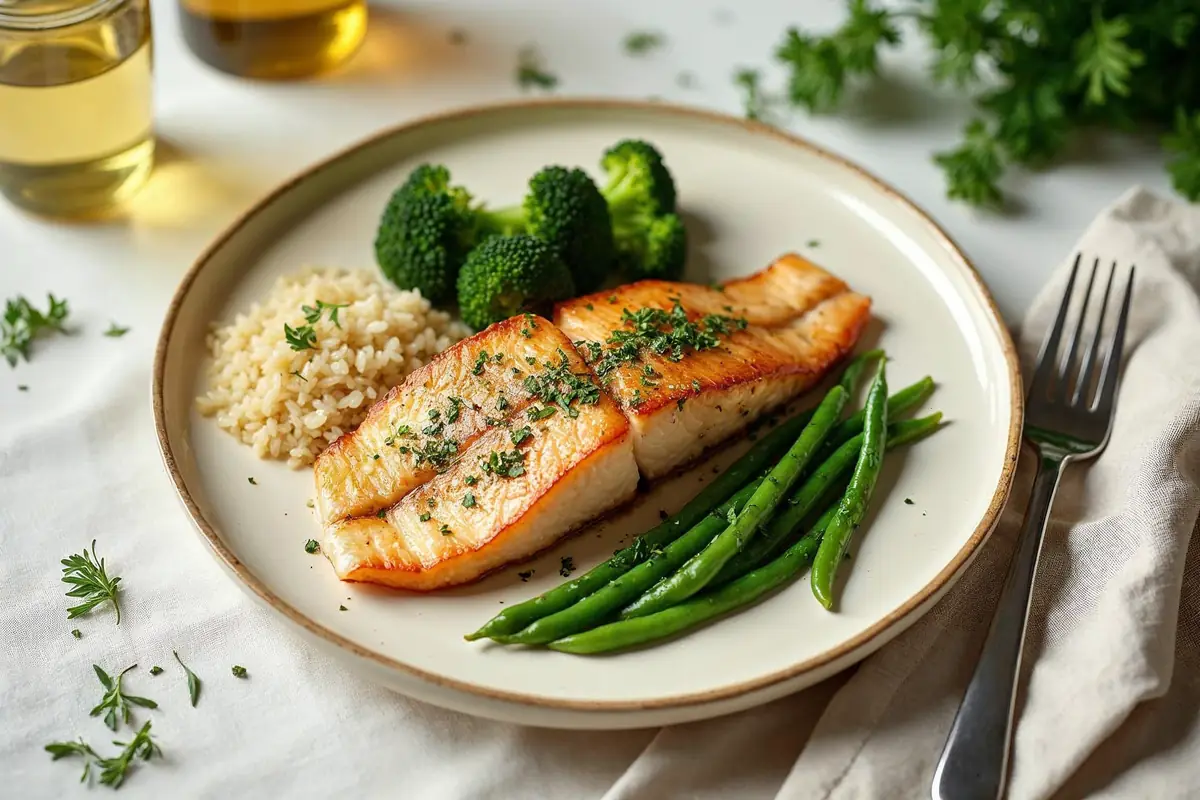
- A plate built on vegetables, protein and wholegrains. The NHS guide on understanding calories explains why the balance of energy matters.
- Daily movement. Brisk walks, cycling the Guild Wheel, dancing in the kitchen. The NHS lists the health benefits of exercise beyond weight.
- Whole body strength work twice a week. Squats, lunges, press ups against a wall.
- Patience. Stubborn places are often the last to change.
Each area, its own guide
We have written separate articles for the places people ask about most. Read slimmer thighs, toned arms and slimmer hips for specific ideas. Each guide explains why that area behaves the way it does.
Gadgets and creams
Slimming belts, sweat suits and fat burning creams may make you sweat or feel tight for an hour. They do not remove fat. Save the money for good walking shoes.
Measure the whole picture
Instead of staring at 1 area in the mirror, track a few markers every 2 weeks. Waist, hips and how your favourite jeans fit. Progress often shows in places you were not watching.
Help with the bigger picture
The coaches trained in nutrition at the club support members daily and help them focus on the habits that change the whole body. A free assessment is a good way to see where you are starting from.
This article does not replace the advice of your GP or a health professional.
Area by area

Your weight loss curve
Fill in your details and the curve updates instantly.
Going at the median rate, losing 8 kg would need roughly 11 weeks. Going at the slowest rate, roughly 4 months.
For weight that stays off, the figure usually quoted is 500 g to 1 kg each week. On the chart, this is the ideal band. Losing more than 1 kg a week, week after week, means the body burns muscle as well as fat. On the chart, this is the shaded band.
This projection is only a guide. Everyone’s path is different and outcomes differ between people. Everything is worked out on your own device, and nothing gets stored or transmitted. If you are over 65, check with your GP before anything else.
How this curve is calculated
The upper line of the band stands for 500 g each week, the slowest rate. The lower line stands for 1 kg each week, where risk begins.
Early weeks move quicker, largely through water loss, and then things settle down. From 40 onwards the median curve eases off bit by bit as metabolism winds down. Putting in equal effort, men tend to lose a touch faster than women.
As in real life, the curve includes short stalls lasting a few days and the odd small gain. It cannot forecast how your own path will go.
These tips are general guidance. A doctor’s opinion still comes first.
Further reading


Day-to-day support is explained in our programme for eating more healthily.