Why muscle matters when you lose weight, and how to hold on to it

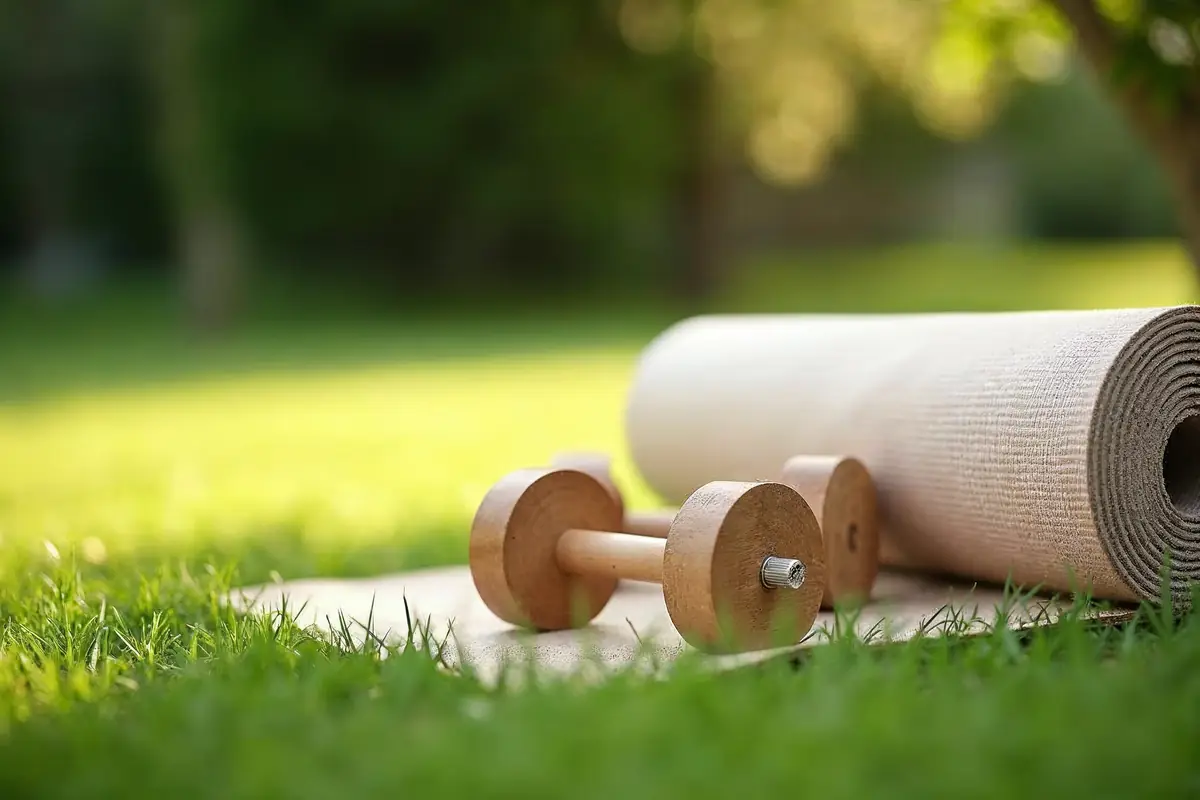
Muscle matters because it keeps you strong, steady on your feet and able to stay active, and if you cut food too hard without using your muscles, part of the weight you lose can come from muscle instead of fat. The aim is to lose fat while keeping as much strength as possible.
A club coach goes through your situation with you and gives you practical advice.
Book your free assessmentIn this article
What the scales cannot tell you
Imagine 2 people who each lose 6kg, about 13lb. The first ate very little and did no exercise. The second ate regular meals with protein and climbed stairs and carried shopping on purpose. On paper they lost the same weight. The scales would call it a draw. In real life, the second person usually feels stronger, looks firmer and finds it easier to keep the weight off. The difference is muscle.
Why crash diets cost you strength
When energy intake drops sharply, the body looks for fuel wherever it can. Muscle that is not being used is an easy target. That is a big reason why very-low-calorie plans often leave people tired and weak, and why the weight tends to return. Our article on why diets fail looks at this pattern in detail.
Protein, spread across the day
Protein contributes to the maintenance of muscle mass. Rather than saving it all for dinner, share it out.
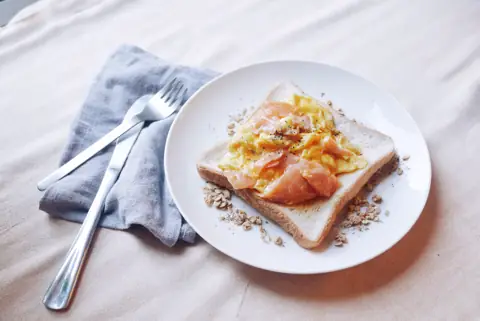
- Breakfast. Eggs, Greek-style yoghurt, or a bowl of porridge made with milk.
- Lunch. Tuna, chicken, lentils or cottage cheese with salad.
- Evening. Fish, lean meat, tofu or beans with vegetables.
The NHS overview of eating a balanced diet shows how protein fits alongside vegetables and starchy foods.
Use it or lose it
Muscle stays when you ask it to work. You do not need a gym membership, expensive kit or a personal trainer. What counts is regular effort that feels a little challenging. Carrying bags home from Preston Market, taking stairs, gardening or simple bodyweight moves at home all count. Aim for activities that make your muscles work hard on at least 2 days a week. The British Dietetic Association explains in its fact sheet on sport and exercise nutrition how food and training work together.
Pace makes a difference
Losing weight gradually gives the body time to adapt and makes it easier to keep strength. A slow, steady trend that you can live with beats a fast drop that leaves you exhausted. If you are in your 70s or older, muscle matters even more, as our guide on weight loss in your 70s explains.
Breakfast with a coach nearby
At Bamber Bridge Nutrition, coaches trained in nutrition support members daily and help them build breakfasts with enough protein to start the day well. You can see where you stand with a free assessment.
This article does not replace the advice of your GP or a health professional.
Your weight loss curve
Fill in your details and the curve updates instantly.
Going at the median rate, losing 8 kg would need roughly 11 weeks. Going at the slowest rate, roughly 4 months.
For weight that stays off, the figure usually quoted is 500 g to 1 kg each week. On the chart, this is the ideal band. Losing more than 1 kg a week, week after week, means the body burns muscle as well as fat. On the chart, this is the shaded band.
This projection is only a guide. Everyone’s path is different and outcomes differ between people. Everything is worked out on your own device, and nothing gets stored or transmitted. If you are over 65, check with your GP before anything else.
How this curve is calculated
The upper line of the band stands for 500 g each week, the slowest rate. The lower line stands for 1 kg each week, where risk begins.
Early weeks move quicker, largely through water loss, and then things settle down. From 40 onwards the median curve eases off bit by bit as metabolism winds down. Putting in equal effort, men tend to lose a touch faster than women.
As in real life, the curve includes short stalls lasting a few days and the odd small gain. It cannot forecast how your own path will go.
These tips are general guidance. A doctor’s opinion still comes first.
Further reading

Day-to-day support is explained in our programme for eating more healthily.