Weight loss after a baby. Rest, nourish, then move a little more

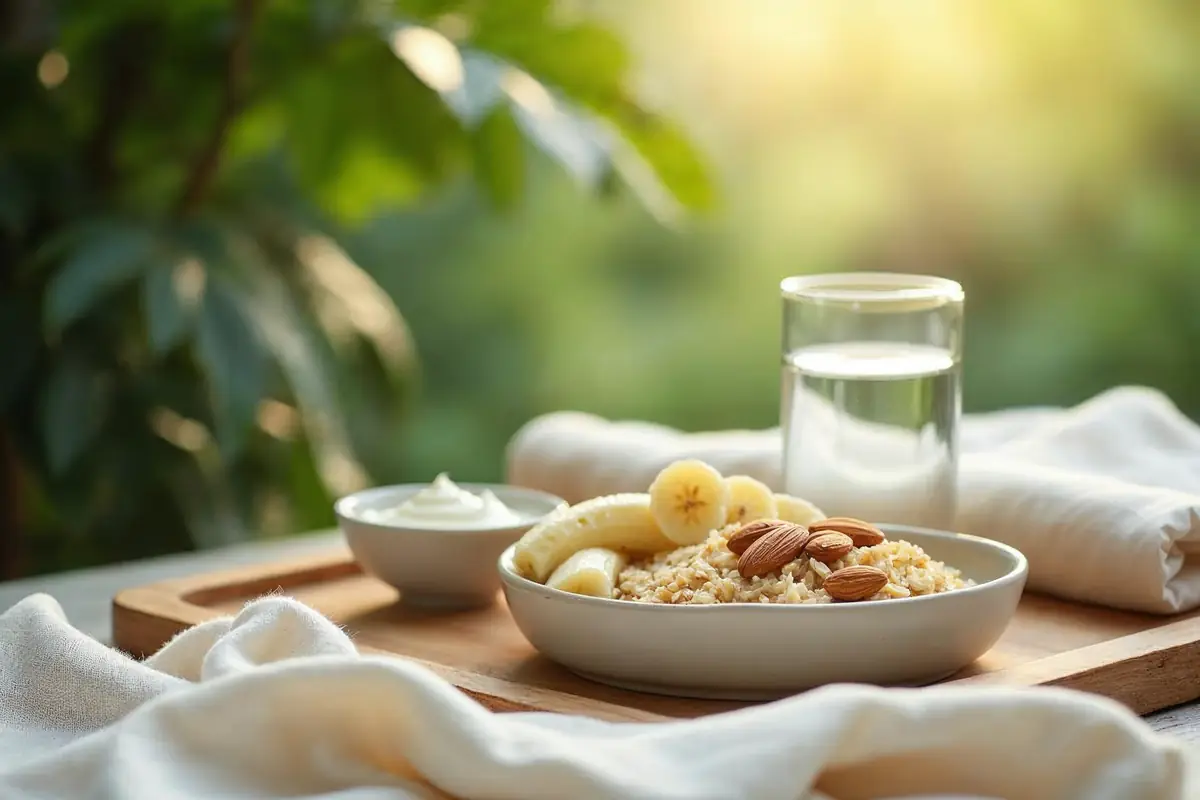
After having a baby, the priority is to recover, eat regular nourishing meals and get the all clear at your postnatal check, and only then think about gradual weight loss. Your body has done something remarkable. It deserves time.
A club coach goes through your situation with you and gives you practical advice.
Book your free assessmentIn this article
The first weeks are about healing
Some weight leaves quickly after the birth, with the baby, the placenta and extra fluid. The rest takes months, and that is normal. The NHS page on your post pregnancy body describes what to expect, from bleeding to tummy muscles and pelvic floor. Comparing yourself with photos of celebrities who look the same 2 weeks later only adds pressure.
Feeding yourself while feeding the baby
Life with a newborn leaves little time to cook. Aim for food you can eat with 1 hand and prepare in minutes.
- Overnight oats with yoghurt and fruit, ready from the fridge.
- Wholemeal sandwiches with egg, tuna or hummus.
- A big pot of vegetable soup or a batch of chilli, frozen in portions.
- Fruit, cheese and crackers within reach of the sofa.
Ask visitors to bring a meal rather than a gift. Most people are happy to help.
If you are breastfeeding
Breastfeeding uses energy, but it is not the time for a strict diet. Eat to your appetite, choose nourishing foods and drink plenty of water. The NHS page on the benefits of breastfeeding explains why good support matters. Your midwife or health visitor can answer questions about your diet.
Sleep, mood and appetite
Broken nights make everyone hungrier for quick sugary food. Rest when you can, accept help, and keep easy snacks nearby so you are not running on biscuits. The NHS gives tips on sleep and tiredness after having a baby. If low mood lasts more than 2 weeks, talk to your GP or health visitor. Our article on sleep and appetite explains the link with hunger.
Moving again, step by step
Gentle walks with the pram are usually fine early on, and pelvic floor exercises can start soon after the birth. Wait for your 6-week check before anything more demanding, and longer after a caesarean. A flat loop through Cuerden Valley Park is a pleasant first outing. When you are ready for more, our fitness comeback plan builds up slowly.
When weight loss makes sense
Once you are healing well and feeding is settled, small changes can help. Regular meals, plenty of vegetables, fewer sugary drinks and daily walks. Aim for a slow trend over months, not weeks. See first steps to eating well for a simple start.
A place to start the day
At Bamber Bridge Nutrition, the club is open on Saturdays from 7am to 12:30pm as well as weekday mornings, which can suit parents sharing childcare at the weekend. A free assessment lets you talk through your situation calmly.
This article does not replace the advice of your GP, midwife, health visitor or another health professional.
Your weight loss curve
Fill in your details and the curve updates instantly.
Going at the median rate, losing 8 kg would need roughly 11 weeks. Going at the slowest rate, roughly 4 months.
For weight that stays off, the figure usually quoted is 500 g to 1 kg each week. On the chart, this is the ideal band. Losing more than 1 kg a week, week after week, means the body burns muscle as well as fat. On the chart, this is the shaded band.
This projection is only a guide. Everyone’s path is different and outcomes differ between people. Everything is worked out on your own device, and nothing gets stored or transmitted. If you are over 65, check with your GP before anything else.
How this curve is calculated
The upper line of the band stands for 500 g each week, the slowest rate. The lower line stands for 1 kg each week, where risk begins.
Early weeks move quicker, largely through water loss, and then things settle down. From 40 onwards the median curve eases off bit by bit as metabolism winds down. Putting in equal effort, men tend to lose a touch faster than women.
As in real life, the curve includes short stalls lasting a few days and the odd small gain. It cannot forecast how your own path will go.
These tips are general guidance. A doctor’s opinion still comes first.
Further reading


Day-to-day support is explained in our programme for eating more healthily.