Drinking enough on a busy day. A simple routine from first brew to last

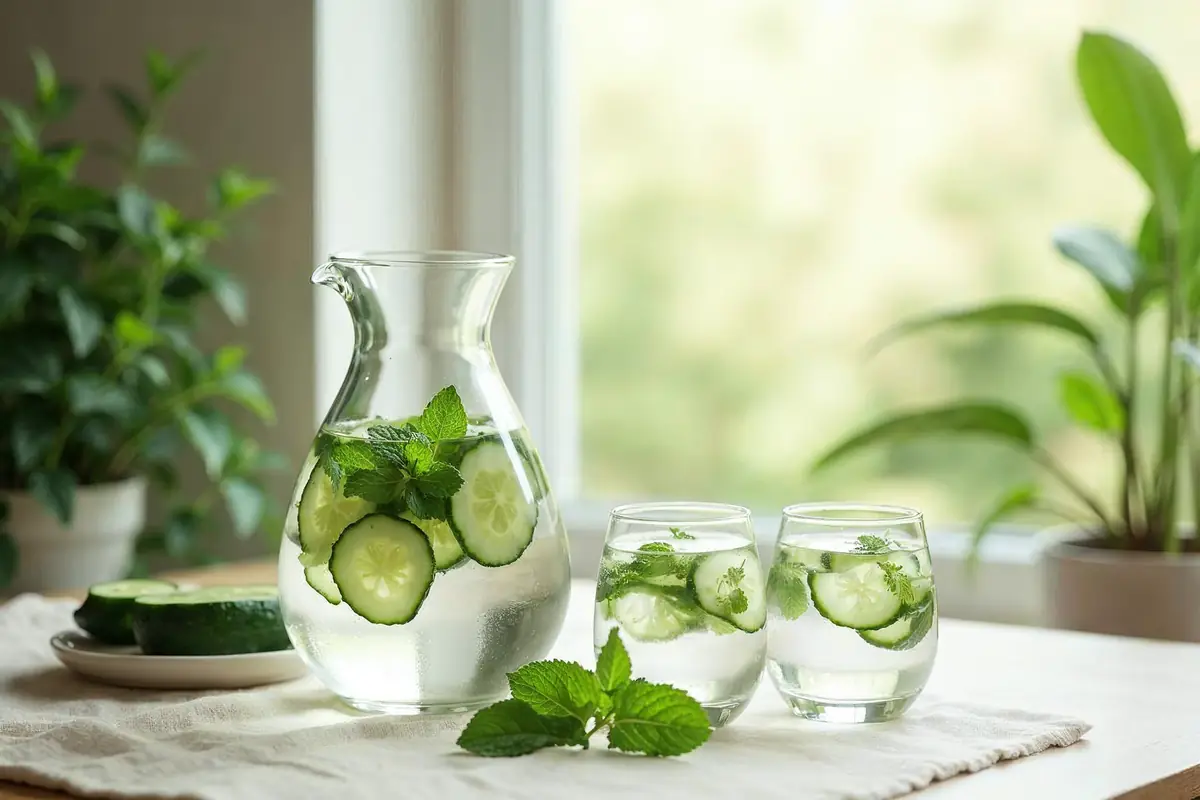
Most adults need 6 to 8 glasses of fluid a day, and more in hot weather or when active. Water, lower-fat milk, tea and coffee all count. The simplest check is the colour of your pee. Pale yellow means you are drinking enough.
Work out your daily water
Everything is worked out on your own device. No data is stored or transmitted. Adults only.
Try the BMI calculator as well, along with the waist measurement calculator and every calculator the club offers.
How this calculation works
For water, the European Food Safety Authority recommends a daily adequate intake of 2 L for women and 2.5 L for men, counting the water in food. Around 80% of that comes from drinks, which means 1.6 L and 2 L.
A club coach goes through your situation with you and gives you practical advice.
Book your free assessmentIn this article
Where 6 to 8 glasses comes from
The government Eatwell Guide recommends 6 to 8 cups or glasses of fluid a day. With a glass of around 250ml, that is roughly 1.5 to 2 litres. Food also provides some water, particularly fruit, vegetables, soups and yoghurt.
The British Dietetic Association fact sheet on fluid explains what water does in the body and when needs go up, for example in heat, during exercise or when unwell.
How water helps when you are losing weight
Water has no kcal, so swapping 2 sugary drinks a day for water removes energy without touching your meals. Thirst is also easy to mistake for hunger, especially in the afternoon. A glass of water before reaching for a snack is a simple test. Water contributes to the maintenance of normal physical and cognitive functions, which helps on a long working day.
A routine across the day
- On waking. A glass of water before your first brew.
- Breakfast. Tea, coffee or a glass of milk with your meal.
- Commute. A refillable bottle in the car or bag for the morning drive along the M6.
- Each meal. A glass of water on the table.
- Afternoon. A herbal tea or sparkling water with lemon instead of a fizzy drink.
- Exercise. Sip before, during and after.
Signs you need more
The NHS page on dehydration lists feeling thirsty, dark yellow and strong-smelling pee, headaches and peeing less often. Shift workers in warm warehouses and people who exercise hard are more at risk.
Drinks to watch
Fruit juice and smoothies count, but keep them to 1 small glass of 150ml a day with a meal because of the sugar. Sweetened coffee shop drinks can hold as many kcal as a snack. Alcohol does not hydrate you well and adds energy. Our article on eating out and takeaways includes tips on drinks.
Can you drink too much?
It is rare, but forcing down large volumes is not useful. Drink to thirst and check the colour. If you have heart or kidney problems, follow the fluid advice of your doctor. This article does not replace advice from your GP or another health professional.
Our guide to first steps to eating well makes water one of the earliest habits.
Starting the day hydrated
At Bamber Bridge Nutrition, the club opens at 6am on weekdays and members start the day with breakfast together before work. Book a free assessment to look at your daily routine.
Your weight loss curve
Fill in your details and the curve updates instantly.
Going at the median rate, losing 8 kg would need roughly 11 weeks. Going at the slowest rate, roughly 4 months.
For weight that stays off, the figure usually quoted is 500 g to 1 kg each week. On the chart, this is the ideal band. Losing more than 1 kg a week, week after week, means the body burns muscle as well as fat. On the chart, this is the shaded band.
This projection is only a guide. Everyone’s path is different and outcomes differ between people. Everything is worked out on your own device, and nothing gets stored or transmitted. If you are over 65, check with your GP before anything else.
How this curve is calculated
The upper line of the band stands for 500 g each week, the slowest rate. The lower line stands for 1 kg each week, where risk begins.
Early weeks move quicker, largely through water loss, and then things settle down. From 40 onwards the median curve eases off bit by bit as metabolism winds down. Putting in equal effort, men tend to lose a touch faster than women.
As in real life, the curve includes short stalls lasting a few days and the odd small gain. It cannot forecast how your own path will go.
These tips are general guidance. A doctor’s opinion still comes first.
Further reading

Day-to-day support is explained in our programme for eating more healthily.