Middle-age spread after 40. Swap the scales for a tape measure and change 4 daily habits

Belly fat after 40 responds to steady daily habits, not to crunches or a crash diet. Track your waist rather than your weight, build each meal around protein and vegetables, add 2 strength sessions a week and protect your sleep. The tape measure will tell you before the scales do.
A club coach goes through your situation with you and gives you practical advice.
Book your free assessmentIn this article
A tape measure tells a truer story
Many people in their 40s notice that the number on the scales barely moves while their trousers feel tighter. That is common. Muscle slowly declines with age if you do not use it, and fat tends to settle around the middle, particularly for women around the menopause and for men who sit most of the day.
So measure your waist instead. Wrap the tape halfway between your lowest rib and the top of your hips, breathe out normally and note the figure every 2 weeks. The NHS offers a simple waist to height ratio calculator. A waist under half your height is the healthy target it uses.
4 habits that shrink the middle
Rebuild your plate
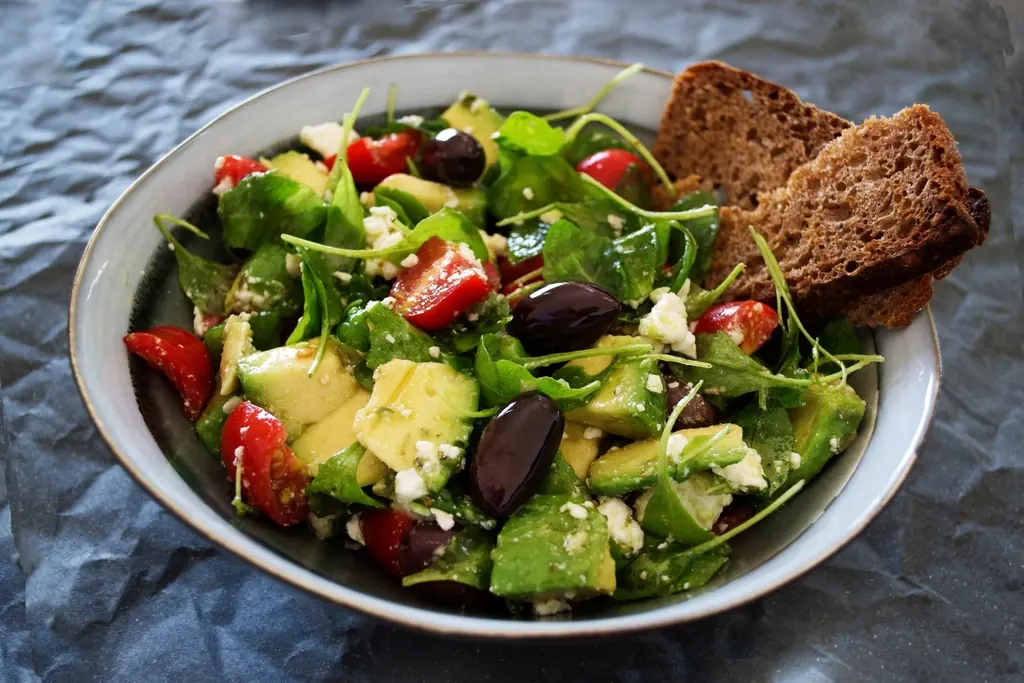
Fill half of lunch and dinner with vegetables or salad, a quarter with lean protein such as chicken, fish, eggs or pulses, and a quarter with wholegrain starch. This keeps you full on fewer kcal. Our guide to how much protein you need each day gives the figures for your weight.
Cut the hidden sugar
Sweet drinks, biscuits with every brew and sugary cereals add up quickly. The NHS page on sugar in our diet sets the adult limit for free sugars at 30g a day, about 7 cubes.
Lift something twice a week
Sit-ups alone will not burn fat from your stomach. Strength work keeps the muscle that uses energy all day. The NHS lists strength exercises you can do at home, such as squats, wall press-ups and step-ups, with no gym needed.
Guard your sleep
Short nights push appetite up the next day, especially for sweet and salty food. Our article on sleep and appetite explains the link.
A realistic 8-week view
Expect slow change. In the first fortnight you may feel less bloated as you eat more fibre and fewer processed snacks. By week 6 or 8, a couple of centimetres off the waist is a fair sign the habits are working. If you can, add a brisk walk most days. A loop around Cuerden Valley Park after work counts as much as a gym class.
If your waist grows quickly without a clear reason, or you have other symptoms, speak to your GP. This article does not replace advice from your GP or another health professional.
Starting the day at Bamber Bridge
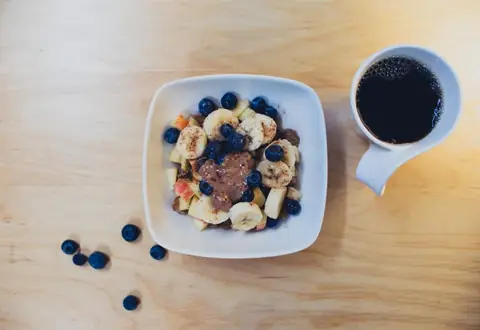
At Bamber Bridge Nutrition, members share breakfast at the club on weekday mornings before heading to work, and coaches trained in nutrition check in with them every day. If you would like a starting point, book your free assessment and we will look at your habits together.
Your weight loss curve
Fill in your details and the curve updates instantly.
Going at the median rate, losing 8 kg would need roughly 11 weeks. Going at the slowest rate, roughly 4 months.
For weight that stays off, the figure usually quoted is 500 g to 1 kg each week. On the chart, this is the ideal band. Losing more than 1 kg a week, week after week, means the body burns muscle as well as fat. On the chart, this is the shaded band.
This projection is only a guide. Everyone’s path is different and outcomes differ between people. Everything is worked out on your own device, and nothing gets stored or transmitted. If you are over 65, check with your GP before anything else.
How this curve is calculated
The upper line of the band stands for 500 g each week, the slowest rate. The lower line stands for 1 kg each week, where risk begins.
Early weeks move quicker, largely through water loss, and then things settle down. From 40 onwards the median curve eases off bit by bit as metabolism winds down. Putting in equal effort, men tend to lose a touch faster than women.
As in real life, the curve includes short stalls lasting a few days and the odd small gain. It cannot forecast how your own path will go.
These tips are general guidance. A doctor’s opinion still comes first.
Further reading

Day-to-day support is explained in our programme for eating more healthily.